Guides for the things nobody prepared you for.
Researched from primary sources, built as tools you actually use, and yours to download the moment you buy.
From Our Shelves
The catalogue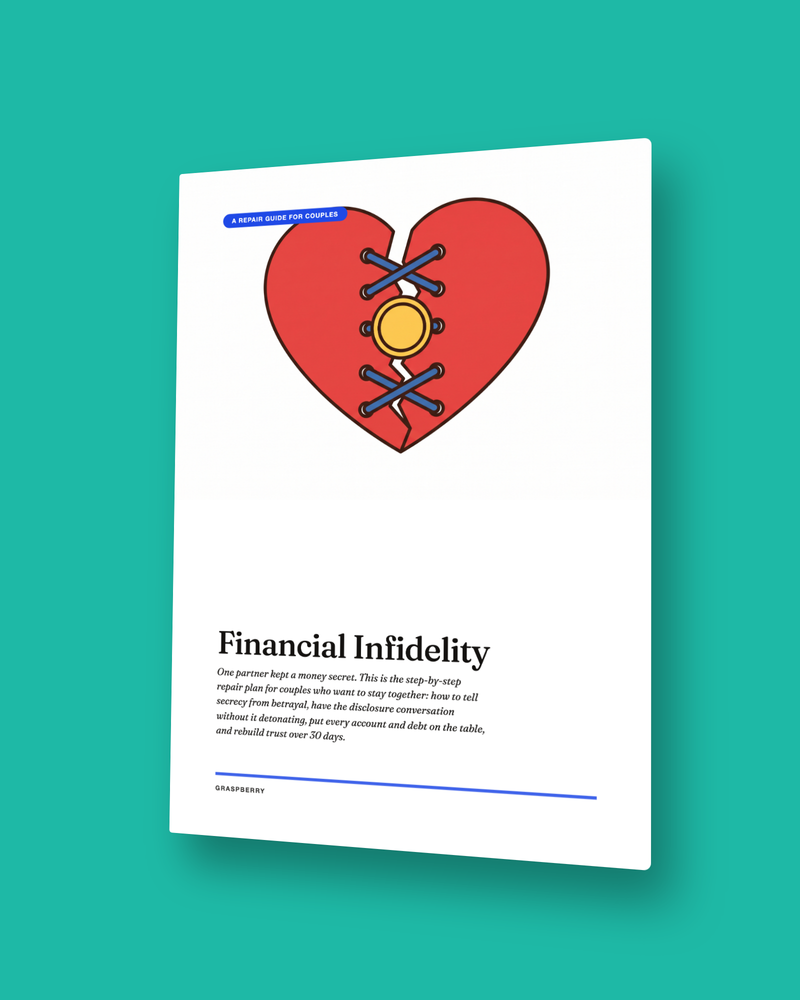
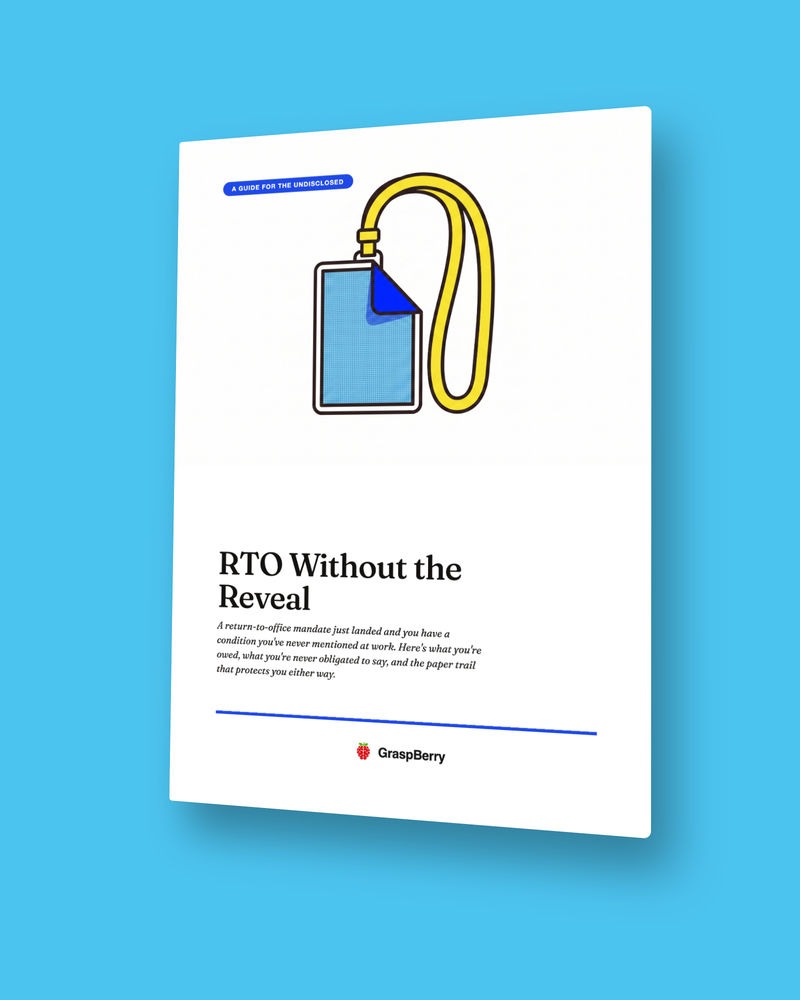
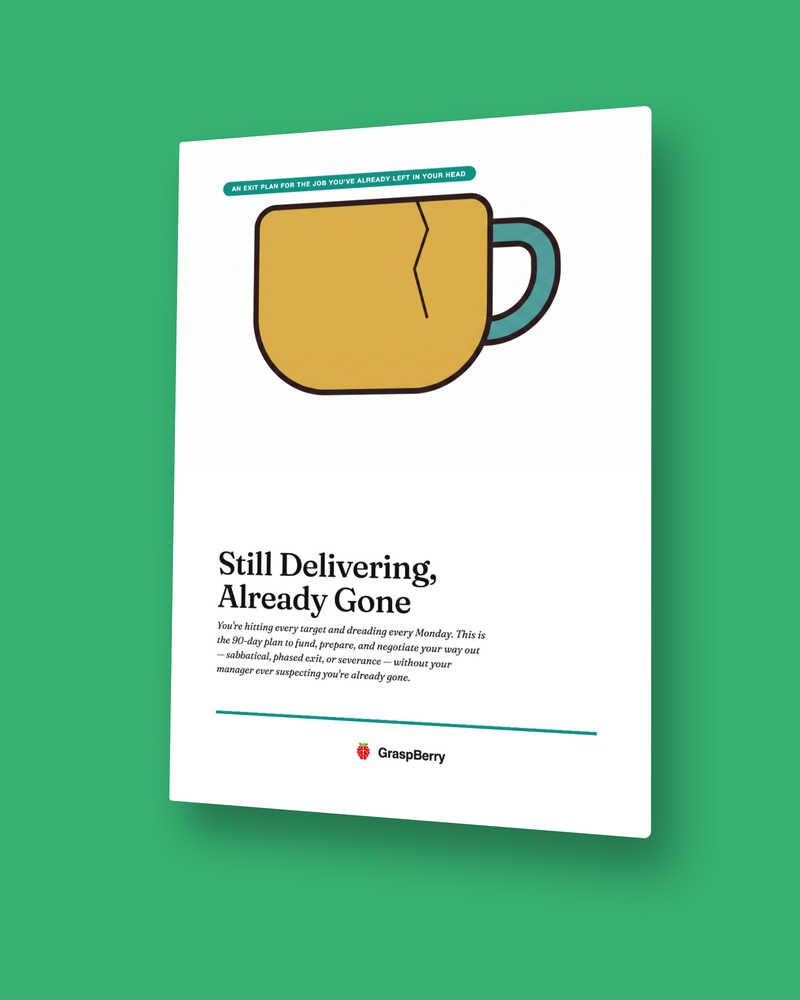

Take one, free.
A whole guide, not a sample chapter. Read it start to finish, then decide whether the rest are for you.
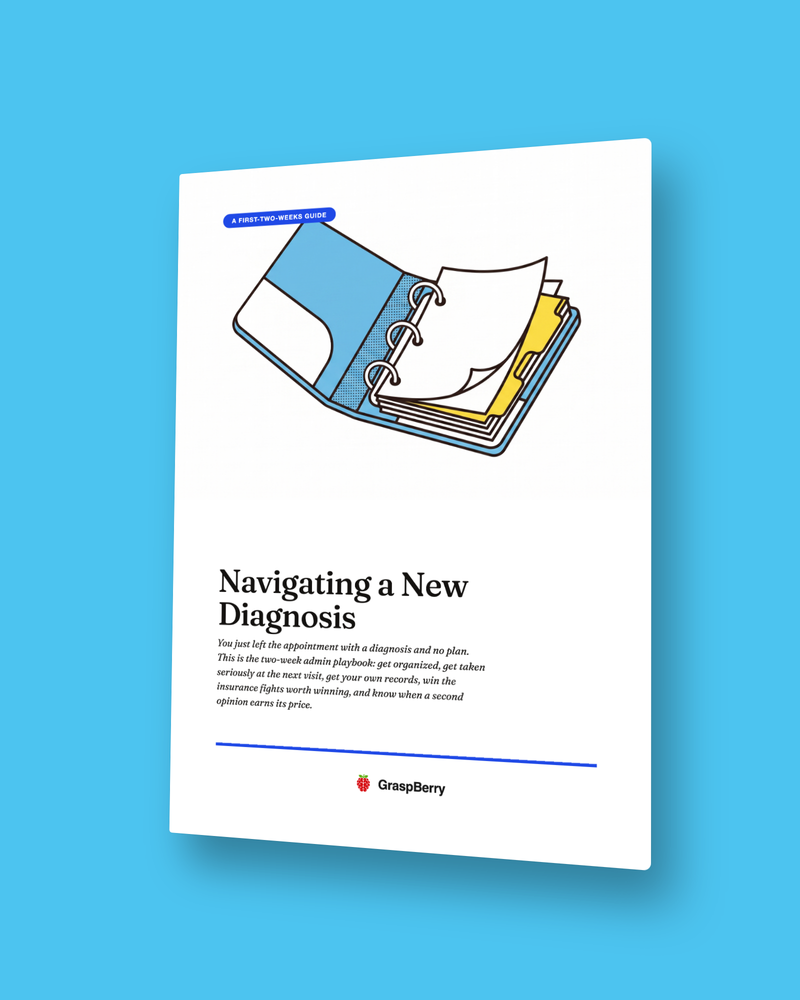
Navigating a New Diagnosis
29 pages · 9 tools · normally $30
Opens in your browser · no email needed
Find yours.
Every guide starts in the same place: a specific situation, and no idea what to do first.
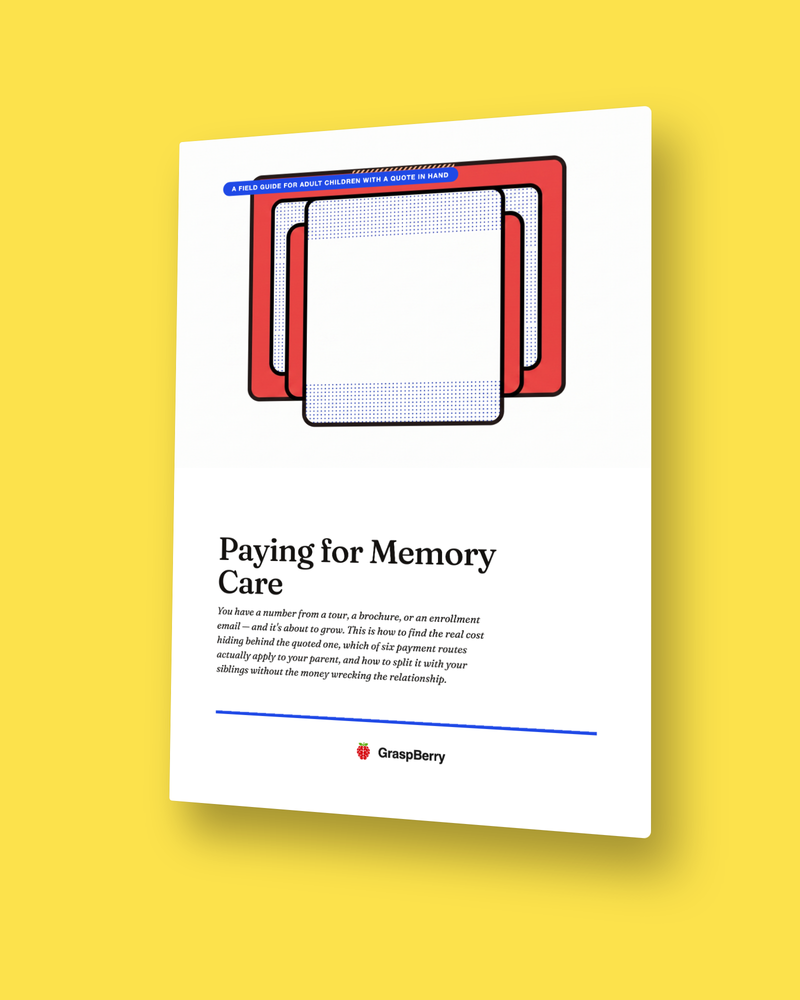
- Paying for Memory CareThe Real-Cost & Six-Payer Guide
- Your Parents Are Not Okay With MoneyThe Adult Child's Guide to Aging-Parent Finances
- The Friendship Prenup12 Clauses for Buying a Home With a Friend
- Financial InfidelityThe Money-Trust Repair Guide for Couples
- The No-Contact Flight PlanGoing Low- or No-Contact With Family
- The Thing You Can't Say Out LoudCaregiver Resentment & Guilt Guide
- Your Parents Are Not Okay With MoneyThe Adult Child's Guide to Aging-Parent Finances
- The Family PasswordYour Anti-Voice-Clone Protocol
How a guide gets made.
The topic changes — money, health, work, family — but the process never does.
Researched and sourced
We read the primary material — statute, regulator guidance, the actual forms — and cite it with the date we checked it.
Built as tools
Written as something you use, not something you read: scripts, worksheets, decision trees, timelines.
Pressure-tested against real use
Every script gets said out loud and every worksheet gets filled in before it ships. If a step doesn't survive contact with the real situation, it gets rewritten.
Dated, versioned, updated
Every guide carries the date it was checked. When the law or the policy moves, the guide moves — and you get the update.
Facts are checked against primary sources: legislation, regulator and government guidance, and the forms themselves. Every guide states the date it was last checked, and the editor signs off before it ships.
